Reading Cao Cao's "One Million" — The Battle of Numbers at Red Cliffs
From Romance of the Three Kingdoms, Chapter 42 to Chapter 47 and Chapter 50
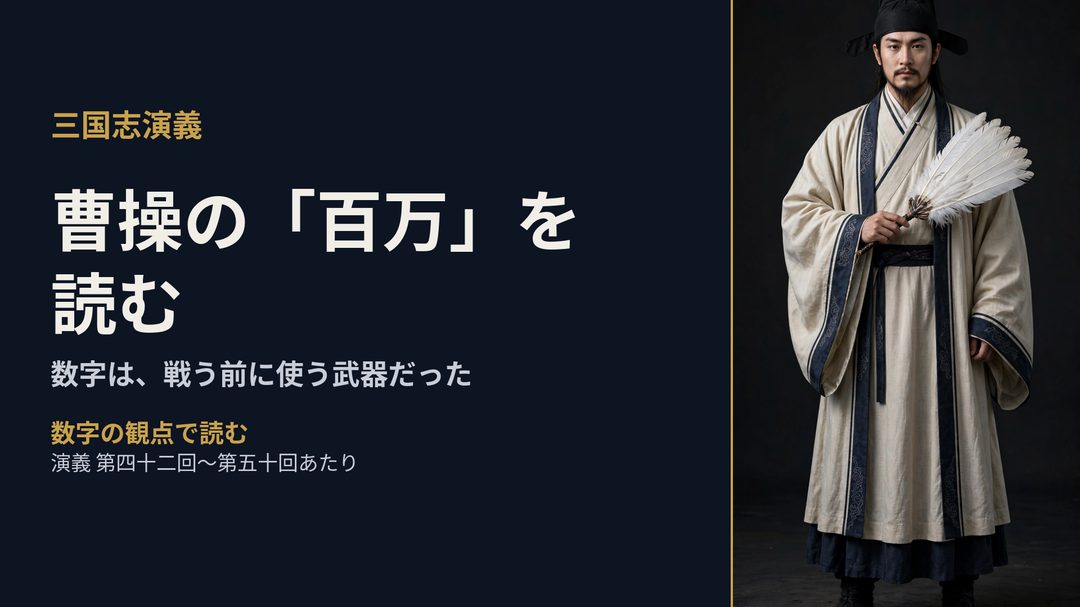
Red Cliffs in Romance of the Three Kingdoms is known as a famous scene of fire attack. But before the battle, there was another battle: the battle of numbers. In the letter Cao Cao sent to Sun Quan, it was written that the soldiers numbered one million and the generals one thousand. Yet the Romance itself lets the secret out within the story.
The number that actually counted Cao Cao's army was 830,000. "One million" was a number deliberately stated large. Today, we will read what this number did within the story.
Watch the Video
Read the Comic
Numbers as a Weapon
A Measure — Those Who Read, and Those Who Use

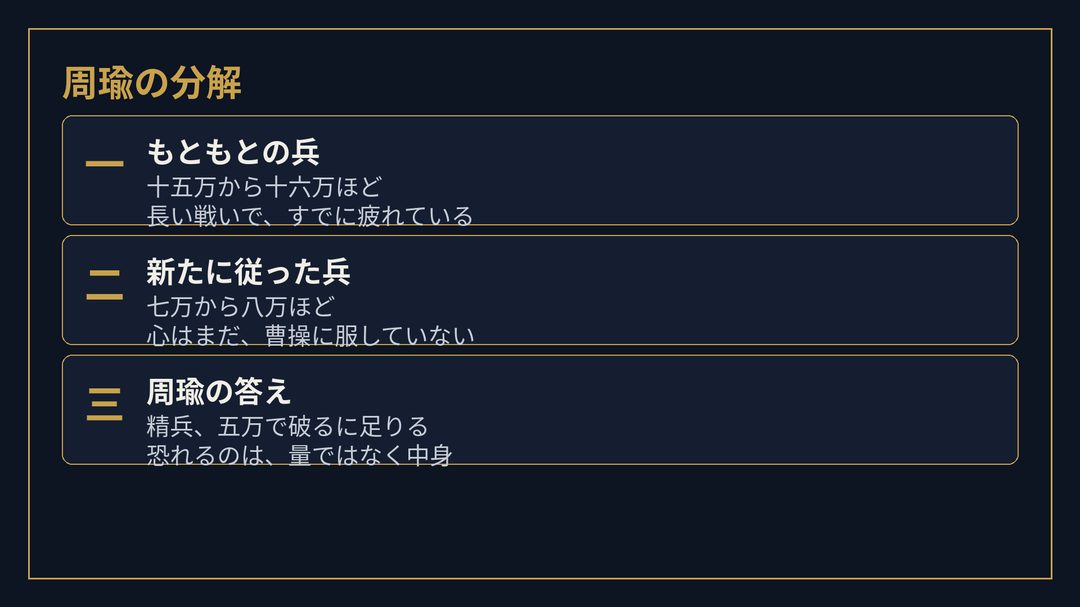
Zhou Yu Takes the Numbers Apart
The Numbers Come Back

Conclusion — The Three Jobs of Numbers
Read the Text
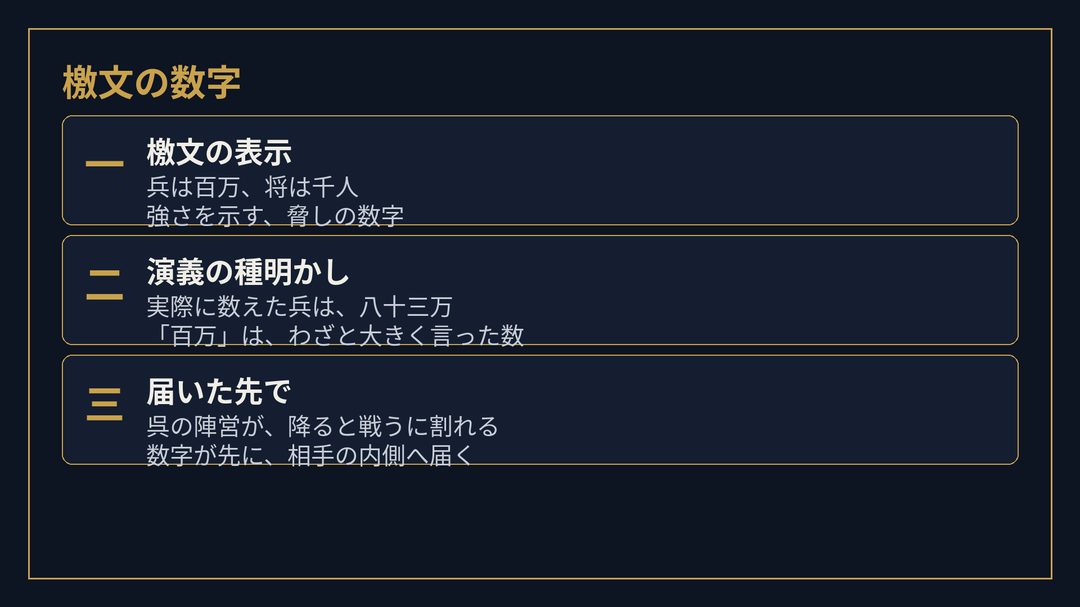
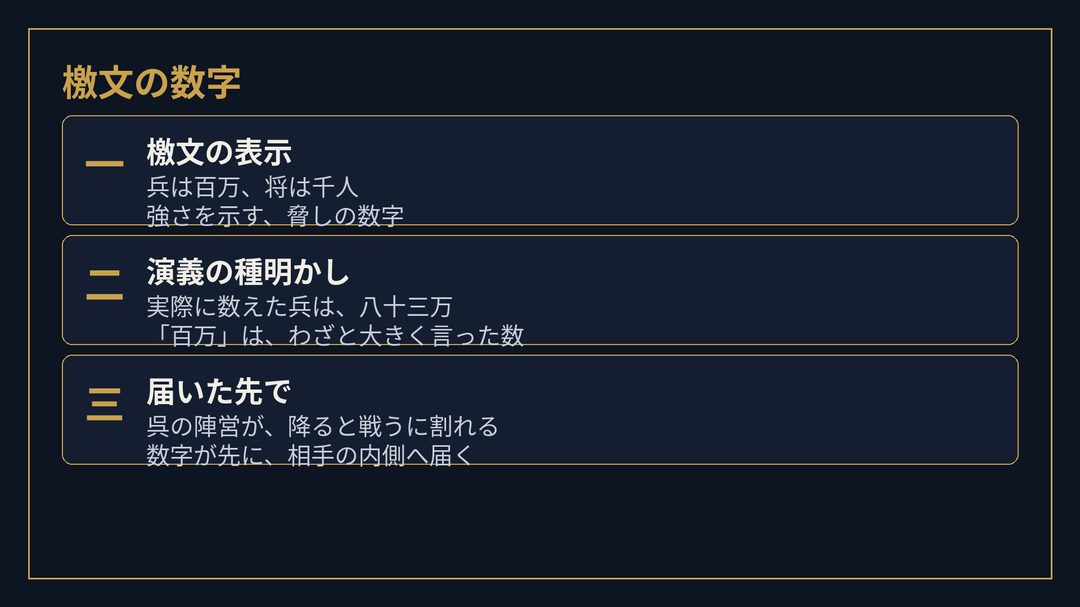
Numbers as a Weapon
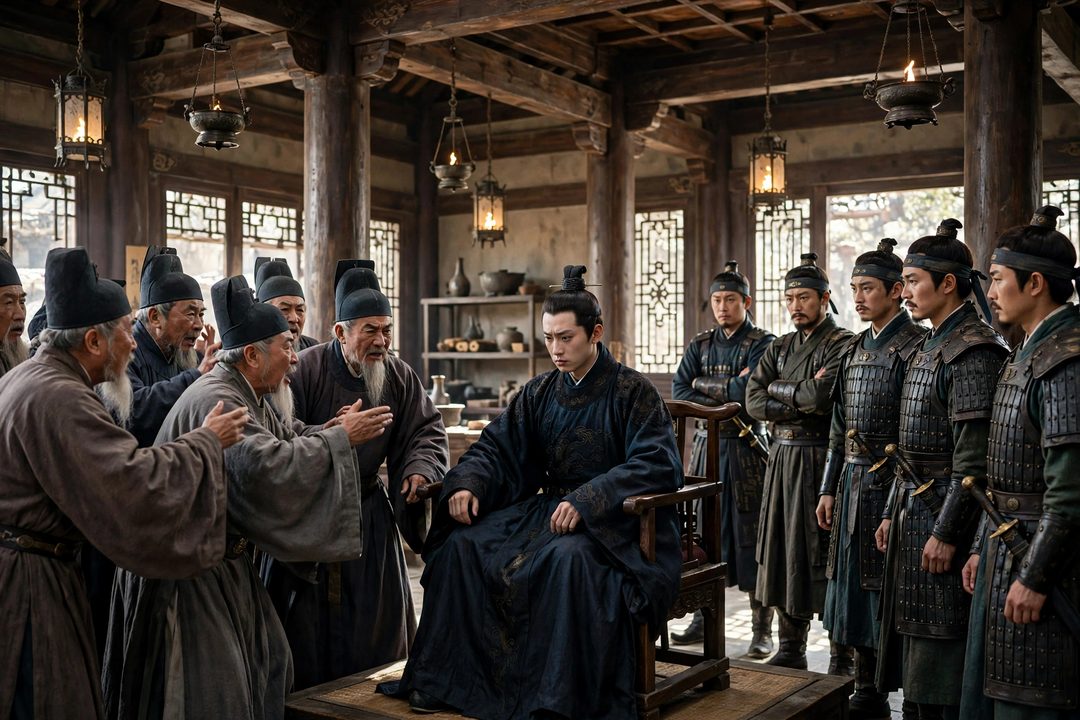
When the letter arrived, Sun Quan's camp began to split from within. The civil officials such as Zhang Zhao said:
Zhang ZhaoCao Cao commands a host of one million.
The barrier of the Yangtze would now be shared with Cao Cao, and a battle at a numerical disadvantage should be avoided. Sun Quan only listened in silence and returned no words. The weight of the numbers was stopping the ruler's judgment. In the war of words as well, Yu Fan pressed Kongming: Cao Cao has a million soldiers and a thousand generals.
"One million" was at work even in places where Cao Cao was not. It came from the mouths of Wu's own people and dulled Wu's decisions. Here, the number was a weapon used before the fighting.
A Measure — Those Who Read, and Those Who Use
Even looking at the same number, the conclusion changes with how it is read. Lu Su advised Sun Quan alone. Everyone else may surrender.
Lu SuBut you, General, alone cannot surrender.
If an official surrenders, his post remains. But if a ruler surrenders, what remains is about a single horse. Lu Su read not the number of soldiers, but what would remain beyond surrender. Kongming's way of using numbers, by contrast, was the exact opposite. Before Sun Quan, Kongming added up Cao Cao's soldiers one by one and showed the total.
The soldiers of Qingzhou, the soldiers gained from Yuan Shao, the newly gathered soldiers, the soldiers of Jing Province. Added up, they come to no less than 1.5 million, Kongming says. And even so —
KongmingWhen I said one million, it was so as not to frighten the people of Jiangdong.
He states the number large not to reassure, but to make them resolve themselves. Later, Kongming also quietly set out the actual numbers on his own side. Guan Yu's elite soldiers are about 10,000, and Liu Qi's Jiangxia soldiers are no less than 10,000. Compared with one million, these are small numbers. But Kongming showed grounds for being able to fight on the side of those small, actual numbers.
Zhou Yu Takes the Numbers Apart
The last to appear is the man who takes the numbers apart: Zhou Yu. At the council, Zhou Yu raised four weaknesses of Cao Cao: the unrest at his back, his unfamiliarity with naval warfare, the winter cold and the shortage of horse fodder, and that soldiers who have come from far away do not acclimate to the water and soil, and many fall ill. However large the numbers, an army carrying these weaknesses will lose.
Zhou Yu read quality, not quantity. That night, Zhou Yu visited Sun Quan alone and opened the numbers to show him. The soldiers Cao Cao has led here are about 150,000 to 160,000. Moreover, they are exhausted. The newly submitted soldiers are about 70,000 to 80,000. Their hearts are not yet won over. Exhausted soldiers, and soldiers whose hearts are apart.
However large the numbers, they are not enough to be feared. Zhou Yu says:
Zhou YuWith 50,000 elite soldiers, it is enough to break them.
Sun Quan's doubts cleared, and he cut his desk with his sword. Whoever speaks of surrender again will be like this desk, he said.
The Numbers Come Back
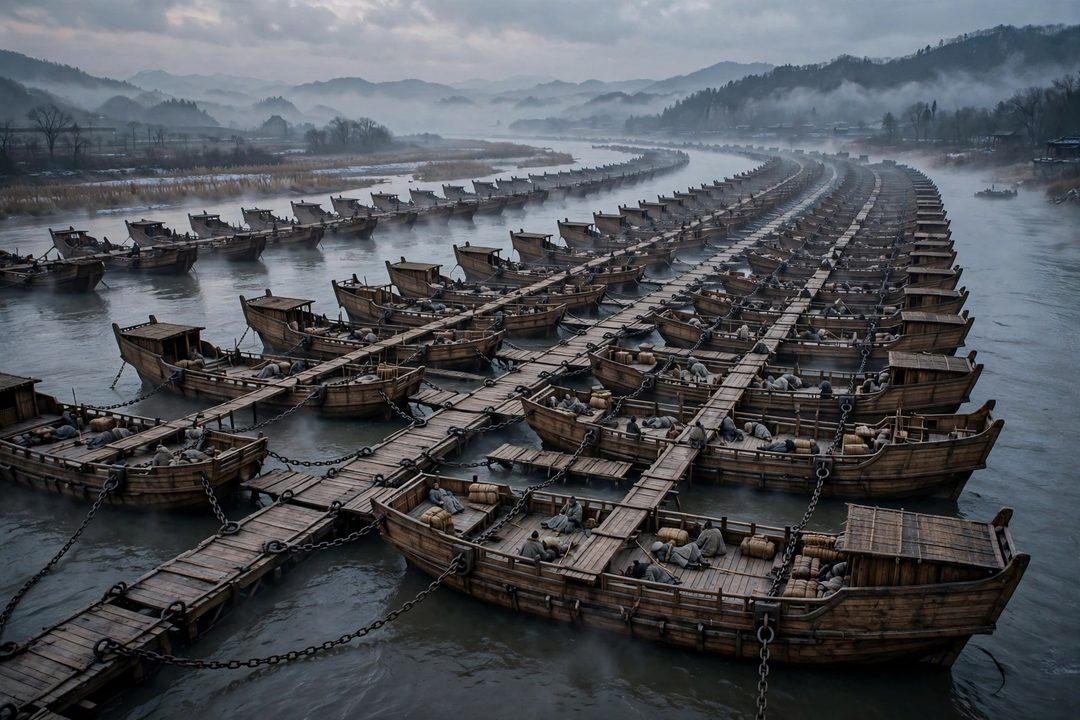
Zhou Yu's reading began to prove right before the battle. In Cao Cao's army, soldiers who could not acclimate to the water and soil fell ill, and there were deaths as well. Striking at that weakness, Pang Tong brought in the Chained Ships Stratagem. If the ships are linked in thirties and fifties, the rocking and the sickness will both settle, he said. A device meant to sustain a great army became the pathway of the fire attack.
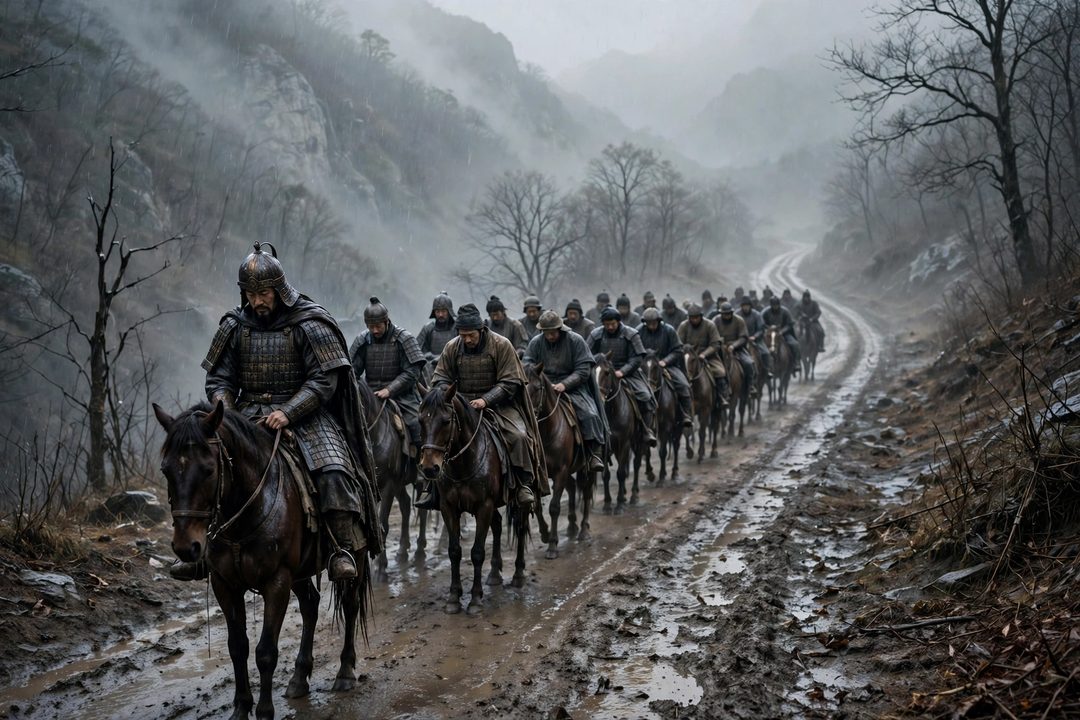
After the fire, the road of retreat filled with hunger and exhaustion. Of the troops that followed Cao Cao, split into three, only one part remained. At the valley mouth, the cavalry remaining at Cao Cao's side numbered only 27 riders. The inflated number, in the end, came back to the side that had inflated it.
Conclusion — The Three Jobs of Numbers
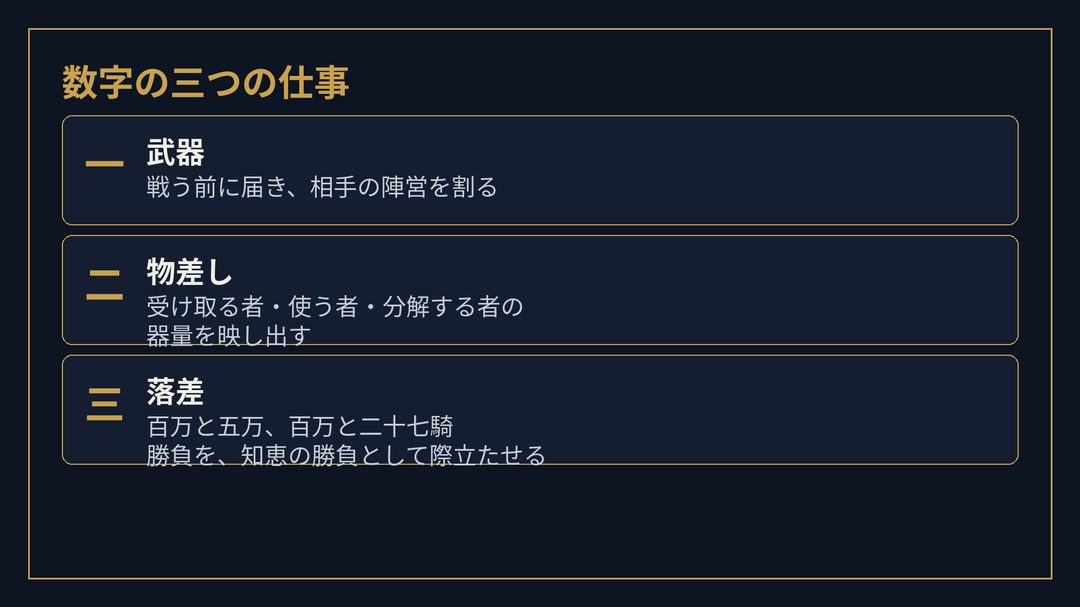
To sum up the numbers of Red Cliffs, "one million" did three jobs. The first is a weapon. It arrives before the fighting and splits the opposing camp from within. The second is a measure. It reflects the caliber of the one who receives it, the one who uses it, and the one who takes it apart. The third is the gap. The gap between one million and 50,000, and between one million and 27 riders.
Because this gap exists, Red Cliffs stands out as a contest of wisdom. The numbers in the Romance are not to be read as a record of headcounts. They were a tool that moved people, measured people, and set off the conclusion. The Red Cliffs numbers teach us that there was meaning in the "inflating" itself.
Sources and Basis
Source material
Based on the text of Romance of the Three Kingdoms, Chapter 42, Chapter 43, Chapter 44, Chapter 47, and Chapter 50 (checked against Wikisource and other sources). The letter's line "I now lead a mighty army of one million, with a thousand senior generals" is from the text of Chapter 43, and the distinction between the actual figure of 830,000 and the falsely claimed one million is explicitly stated by the Romance itself at the end of Chapter 42.
Distinguishing the Romance from the official history
The analysis in this article deals only with the numbers as they appear in the Romance. It does not examine the troop figures in the official history.